 VapeWholesaleHub
Caramel Ice Quality Control: Tests We Run Before Dispatch — Repeat Orders
This page is written for the person who has to sign the purchase order, not for the person who designed the packaging. If you are weighing up caramel ice right now, the sections below follow the order in which the real decisions tend to arrive.
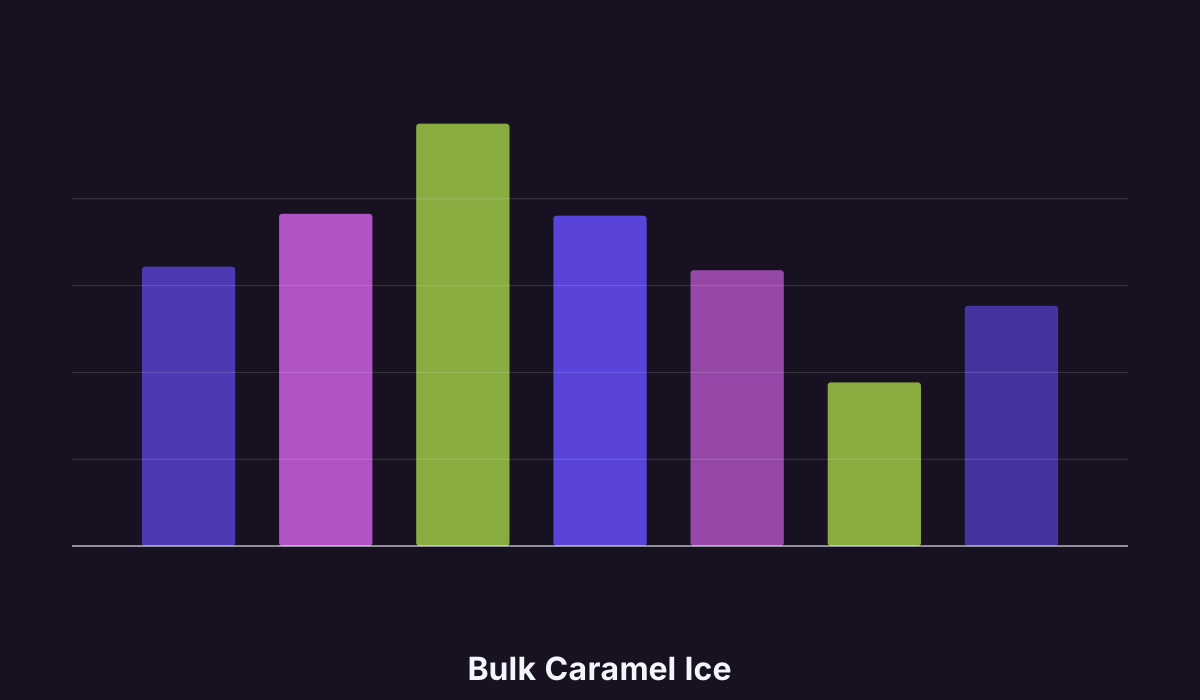
Positioning Caramel Ice on Your Shelf
One useful exercise: list every caramel ice line you stock and mark the last date each one sold at full price. Anything without a recent full price sale is taking space from something that would use it better.
Category planning for caramel ice works best when you map it against three shopper types: the restocker who already knows what they want, the switcher who wants something stronger, and the explorer who buys on flavour name alone.
Trends Worth Watching
Retailers report that caramel ice customers are asking more specific questions than they did two years ago. That favours ranges with clear, simple information over ranges with clever marketing.
One shift worth planning for: shorter caramel ice reorder cycles with smaller average drops. It favours suppliers with flexible production slots over those who only want large annual commitments.
Logistics That Protect Margin
Carton dimensions for caramel ice are a design decision, not a packing afterthought. A few centimetres on the master carton can change how many units fit a pallet, and that repeats on every order.
Customs classification for caramel ice varies by market and changes from time to time. We ship with full documentation, but your broker should confirm the current code before your first order rather than after it lands.
The Specification That Matters
Ask any factory for the same caramel ice sample twice, three months apart. If the second sample drifts, the production line is running without statistical control and your reviews will drift with it. Consistency over time is a more useful signal than a single good sample.
Two specifications that matter more than buyers expect: the seal integrity after a drop test and the consistency of the draw from first use to last. Both are measurable before you commit to volume.
| Product category | Accessory |
|---|---|
| Resistance band | 1.2 - 1.4 ohm |
| Capacity tolerance | +/- 2% |
| Puff count method | Declared by capacity |
| Master carton | 200 units |
| Carton weight | 10.7 kg |
| Shelf life | 24 months |
| Storage | 15-25 C, dry, away from direct light |
How Caramel Ice Batches Are Checked
The cheapest quality control step is a retained sample. Keeping three sealed units from every caramel ice batch costs almost nothing and turns any dispute into a simple comparison instead of an argument over photographs.
Keep a photo record of every caramel ice approval sample. Written descriptions age badly; a dated photograph next to a delivered unit settles most arguments in seconds.
- Plan the switch from air to sea freight before you need it.
- Check carton dimensions against your freight quote before confirming.
- Agree the tolerance band in writing before approving artwork.
- Start with a mixed carton and let your own sell-through decide.
- Model landed cost, not ex-works price, when comparing quotes.
Pricing and Margin
Build caramel ice price tiers around order sizes your customers actually place. Tiers that only make sense on a spreadsheet get ignored, and you end up discounting ad hoc instead.
Indicative reference points for planning purposes: entry tier from USD 1.72 per unit at 1000 units, mid tier at USD 1.24, and volume tier at USD 1.31 for full container quantities. These figures move with specification, packaging and freight, so treat them as a shape rather than a quote.
Practical Checklist
- Model landed cost, not ex-works price, when comparing quotes.
- Confirm the current customs classification with your own broker.
- Plan the switch from air to sea freight before you need it.
- Ask how the factory measures puff count, then compare like with like.
- Keep sealed retained samples from every production batch.
- Write the complaint threshold into the order terms.
Frequently Asked Questions
How long does a caramel ice order take to arrive?
Production typically takes ten to eighteen working days after artwork approval, and transit depends on the method you choose. Air express is fastest, sea freight is cheapest at volume. We confirm both at quotation so there is no surprise later.
What if a batch does not match the sample?
Keep the retained samples from the approval stage. If a delivered batch measurably differs, we compare against the retained set and resolve it against the production record. This is why we insist on sealed retained units from every run.
Can I visit the production facility?
Yes, and we encourage it for larger programmes. Visits are most useful when you already have a draft specification, because you can then check the specific processes behind the numbers you care about.
What does a sample pack usually include?
A typical caramel ice sample pack covers the strengths or variants you are most likely to list, packed so you can evaluate them side by side. Tell us which lines you are considering and we will match the pack to that rather than sending a generic selection.
Next Step
Whether you order from us or elsewhere, keep a retained sample from every batch. It costs almost nothing and it is the single most effective protection available to a caramel ice buyer.
Related Reading
- Caramel Ice Trade Credit and Account Terms — Landed Cost Worked Through
- Merchandising Caramel Ice Inside a Physical Store — Replenishment Cycles
- Private Label Caramel Ice: Steps From Idea to Carton — Plain Language
- Caramel Ice Coil Wire and Wicking Choices Compared — Highly Regulated Markets
- Caramel Ice Working With a Local Compliance Partner — the Buying Desk
- Caramel Ice Shelf Rotation for Multi Site Retailers — Before Your Next Order